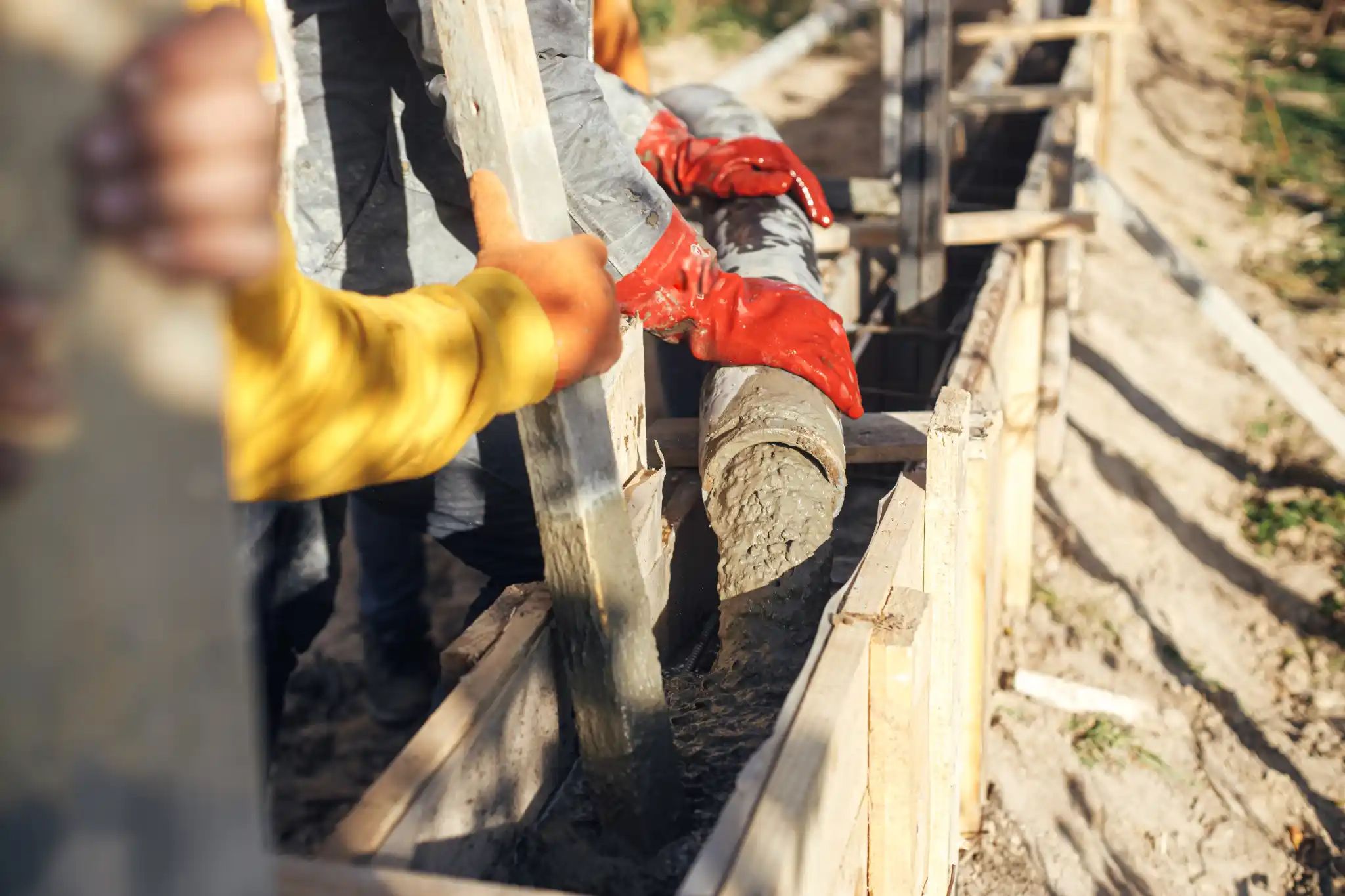
Pier & Beam Foundation Repair in Texas
Before slab-on-grade took over, Texas homes were built on pier and beam: wood floors carried on beams, resting on piers or blocks, over a crawl space. Hundreds of thousands of these homes are still standing — most of the pre-1960 housing stock in older neighborhoods statewide — and they fail differently than slabs.
Pier-and-beam problems are usually a mix of soil movement (piers settle or tilt as clay cycles) and biology (moisture, rot and pests working on the wood). The repairs are correspondingly different: releveling and re-supporting rather than deep underpinning, and wood repair where decay has gotten ahead of the structure.
or call (800) 555-0100
Pier & Beam Foundation Repair — free estimate
Tell us what you're seeing and a local foundation specialist will follow up — usually the same business day. Prefer to talk now? Call (800) 555-0100.
When this is the right repair
- Sloping, bouncy or soft floors in a crawl-space home
- Doors and windows racking in an older house with settled or shimmed-out piers
- Visible rot, insect damage or failed sills/joists under the floor
- A slab-era addition moving differently than the original pier-and-beam structure
When it isn't
- A crawl space so wet that repairs will rot again — fix drainage and ventilation first or together
- Structural termite damage that needs a pest treatment plan before carpentry
How the work goes
-
Crawl-space inspection
A real inspection goes under the house: pier condition, beam crowns and sags, sill condition, moisture and ventilation.
-
Releveling plan
Which piers get shimmed, which get replaced or supplemented, and where new supports are added under sagging spans.
-
Wood repair
Rotted sills and joists are sistered or replaced — the carpentry half of pier-and-beam work that slab contractors sometimes underestimate.
-
Moisture control
Grading, gutters, vents or a vapor barrier so the crawl space stays dry enough to protect the repair.
Across Texas: Pier-and-beam repair is a larger share of the market in East Texas and in the older cores of nearly every Texas city. In expansive-clay regions the piers move with the seasons like everything else — but releveling a pier-and-beam home is generally far cheaper than underpinning a slab.
Pier & Beam Foundation Repair FAQs
Is pier and beam worse than a slab in Texas clay?
No — it's arguably better suited to it. The structure can be releveled affordably as the soil cycles, and plumbing is accessible instead of buried in concrete. The tradeoff is ongoing wood and moisture maintenance.
What does releveling cost?
Simple shim-and-support jobs often land in the low four figures; add sill or joist replacement and scopes grow with the carpentry. It is usually well below slab underpinning cost for the same house size.
How often does a pier-and-beam home need adjustment?
Many go decades untouched; homes on active clay may want minor shimming every 5–15 years. Seasonal door-fit changes are normal — progressive slopes are not.
Local pier & beam foundation repair guides
- Pier & Beam Foundation Repair in Killeen
- Pier & Beam Foundation Repair in Temple
- Pier & Beam Foundation Repair in Weatherford
- Pier & Beam Foundation Repair in Cleburne
- Pier & Beam Foundation Repair in San Marcos
- Pier & Beam Foundation Repair in Sugar Land
- Pier & Beam Foundation Repair in Burleson
- Pier & Beam Foundation Repair in Kyle
- Pier & Beam Foundation Repair in Rosenberg
- Pier & Beam Foundation Repair in Copperas Cove
- Pier & Beam Foundation Repair in Harker Heights
- Pier & Beam Foundation Repair in Belton
- Pier & Beam Foundation Repair in Buda
- Pier & Beam Foundation Repair in Richmond
Not listed? Every Texas community has a local page — find your city.
What to expect — and what to ask
How the process works
- 1. Tell us what you're seeing. Call or send the form — cracks, sticking doors, slopes, timelines.
- 2. A local specialist evaluates on-site. Elevation readings across the slab, drainage walk-around, crawl-space inspection where applicable.
- 3. You get a written scope. Pier locations and count, method, drainage recommendations, warranty terms, price.
- 4. You decide — without pressure. For a five-figure structural repair, comparing bids is reasonable and any good contractor knows it.
Questions worth asking any bidder
- Which pier type, and to what expected depth in this soil?
- Is an independent structural engineer's report included or recommended?
- What exactly does the warranty cover — and does it transfer when I sell?
- How will you address the drainage or root cause, not just the symptom?
- What happens to my plumbing during the lift (hydrostatic test after)?
More in the guide: how to choose a foundation repair contractor.
Bedrock Texas is an independent referral network, not a contractor. We connect you with a vetted local foundation repair company and may be compensated for the referral — details in our disclosure. We never publish fabricated reviews or credentials.